

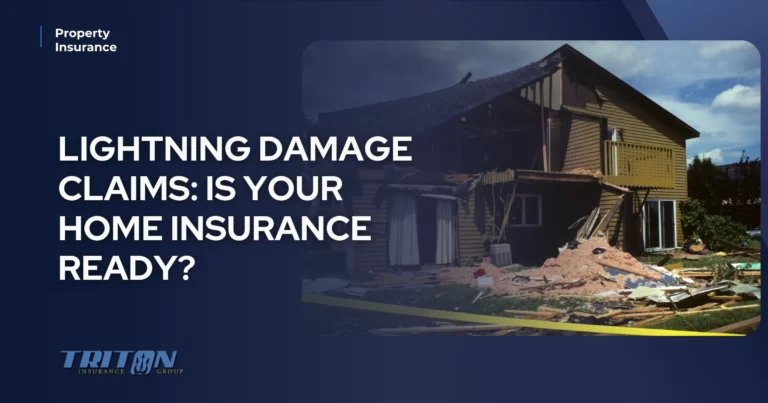
Lightning Damage Claims: Is Your Home Insurance Ready?
When people think about severe weather in Florida, hurricanes usually come to mind first.
Yet another natural hazard quietly causes millions of dollars in property damage every year: lightning.
According to the Insurance Information Institute, Florida led the nation in lightning-related homeowners insurance claims in 2025, with more than 5,100 claims totaling approximately $186 million in insured losses. These numbers serve as a reminder that lightning can pose a significant financial risk to homeowners across the state.
The good news?
A well-designed homeowners insurance policy may help cover many types of lightning-related damage—but understanding your policy before a storm strikes is essential.
When people think about severe weather in Florida, hurricanes usually come to mind first. Yet another natural hazard quietly causes millions of dollars in property damage every year: lightning. According to the Insurance Information Institute, Florida led the nation in lightning-related homeowners insurance claims in 2025, with more than 5,100 claims totaling approximately $186 million in insured losses. These numbers serve as a reminder that lightning can pose a significant financial risk to homeowners across the state.
The good news? A well-designed homeowners insurance policy may help cover many types of lightning-related damage—but understanding your policy before a storm strikes is essential.
Why Lightning Is Such a Serious Risk in Florida
Florida experiences some of the highest lightning activity in the United States.
Frequent afternoon thunderstorms, humid weather, and a long storm season create ideal conditions for lightning strikes throughout much of the year.
While some lightning strikes result in visible damage, others may affect a home’s electrical system in ways that aren’t immediately obvious.
What Does Homeowners Insurance Typically Cover?
Not every lightning strike leaves behind obvious burn marks.
Power surges caused by nearby strikes can damage:
Air conditioning systems
Refrigerators
Televisions
Computers
Routers
Smart home devices
Garage door openers
Electrical panels
Some problems may not become noticeable until days or weeks later, making professional inspections worthwhile after a severe storm.
How to Reduce Your Risk
Although lightning can’t be prevented, homeowners can reduce potential damage by taking a few practical steps.
Consider:
Installing a whole-home surge protector
Using surge-protected power strips
Having your electrical system inspected periodically
Unplugging sensitive electronics during severe storms when safe to do so
Keeping trees trimmed away from power lines and structures
These precautions may help reduce both property damage and costly insurance claims.
When Should You File an Insurance Claim?
If your home has been affected by lightning:
Ensure everyone’s safety.
Document all visible damage with photos and videos.
Prevent additional damage if it can be done safely.
Keep receipts for emergency repairs.
Contact your insurance company as soon as possible.
Save damaged property until your insurer provides instructions.
Prompt documentation can help streamline the claims process.
Review Your Coverage Before Storm Season
Storm preparation often focuses on stocking emergency supplies and securing outdoor furniture.
Your insurance coverage deserves the same attention.
Take time each year to review:
Your dwelling coverage limit
Personal property coverage
Deductible amounts
Replacement cost provisions
Coverage for high-value electronics
Optional endorsements that may provide additional protection
Updating your policy before severe weather arrives can help reduce unexpected financial burdens after a covered event.
Lightning is one of Florida’s most common—and often underestimated—weather hazards.
While no insurance policy can prevent a lightning strike, understanding your homeowners coverage can help you recover more quickly if your home suffers damage.
A yearly policy review, combined with practical home protection measures, can provide greater peace of mind during Florida’s active storm season.