

RCV vs. ACV: The Difference Between “Covered” and “Actually Paid”
If a covered disaster makes your home unlivable, where would you stay—and who would pay for it?
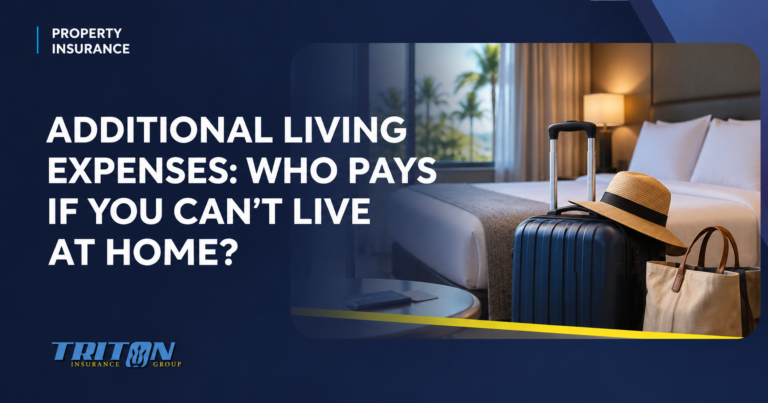
A fire, hurricane, or other covered loss can leave your home temporarily uninhabitable. Beyond the cost of repairs, you may suddenly face hotel bills, restaurant meals, laundry expenses, and other unexpected costs.
That’s where Additional Living Expenses (ALE) coverage, also known as Loss of Use coverage, may help.
What Does ALE Cover?
Depending on your policy, ALE may help pay for the necessary increase in living expenses while your home is being repaired or rebuilt after a covered loss.
This may include:
Temporary hotel or rental accommodation
Additional food expenses beyond your normal costs
Laundry and other essential living expenses
Certain additional transportation costs
What Expenses May Be Covered?
Depending on your policy, ALE may help with:
Temporary housing: Hotel stays, apartment rentals, or other suitable accommodation.
Additional food costs: The extra cost of restaurant meals when you no longer have access to your kitchen.
Laundry expenses: Additional laundry costs while staying somewhere without normal household facilities.
Storage and relocation: Certain costs associated with moving and storing undamaged belongings.
Other necessary expenses: Certain increased transportation or household costs resulting from your temporary living arrangements.
What ALE Doesn’t Automatically Cover
Having ALE coverage does not mean every relocation expense will be reimbursed.
Keep these important limitations in mind:
Covered losses only: The damage must qualify under your policy. An excluded event may not trigger ALE benefits.
Coverage limits: Your policy may have a specific dollar limit or time restriction.
Reasonable expenses: Reimbursement is generally limited to necessary and reasonable additional costs.
Documentation: Keep receipts, invoices, and records of expenses for your insurance adjuster.
Repair period: Coverage generally applies for the reasonable time needed to repair or replace the damaged home, subject to policy terms.
Also, don’t assume that a mandatory evacuation automatically qualifies for ALE. Some policies provide limited civil-authority coverage under specific circumstances, even when your own home has not been damaged.
Know Your Coverage Before You Need It
ALE coverage has limits, conditions, and time restrictions. It generally does not cover ordinary living expenses or relocation costs resulting from an uninsured event.
Review your policy to understand how much coverage you have and how long benefits may be available.
A home insurance policy should protect more than the structure. It should also help you prepare for the unexpected disruption of daily life.
Contact Triton Insurance Group for a review of your homeowners coverage and available options.
GET A FRESH LOOK AT YOUR COVERAGE
Or reply directly to this email or contact us today to discuss your insurance options.
Best regards,
Triton Insurance Group
(305) 842-3601
info@totalpropertyinsurance.com